
Fertility PRP Applications with Alocuro PRO-PRP
Supporting Endometrial and Ovarian Health & Function with Autologous PRP
Platelet-Rich Plasma (PRP) is an emerging regenerative therapy within reproductive medicine, used to optimise tissue health and receptivity in women experiencing complex fertility challenges. By delivering autologous growth factors, bioactive proteins and cytokines directly into reproductive tissue, PRP provides a biologically active and minimally invasive option to complement existing assisted reproduction strategies.
Alocuro’s PRO-PRP system enables clinicians to prepare high-concentration, sterile PRP at the point-of-care, ensuring consistency, purity, and optimal regenerative potential in every treatment.
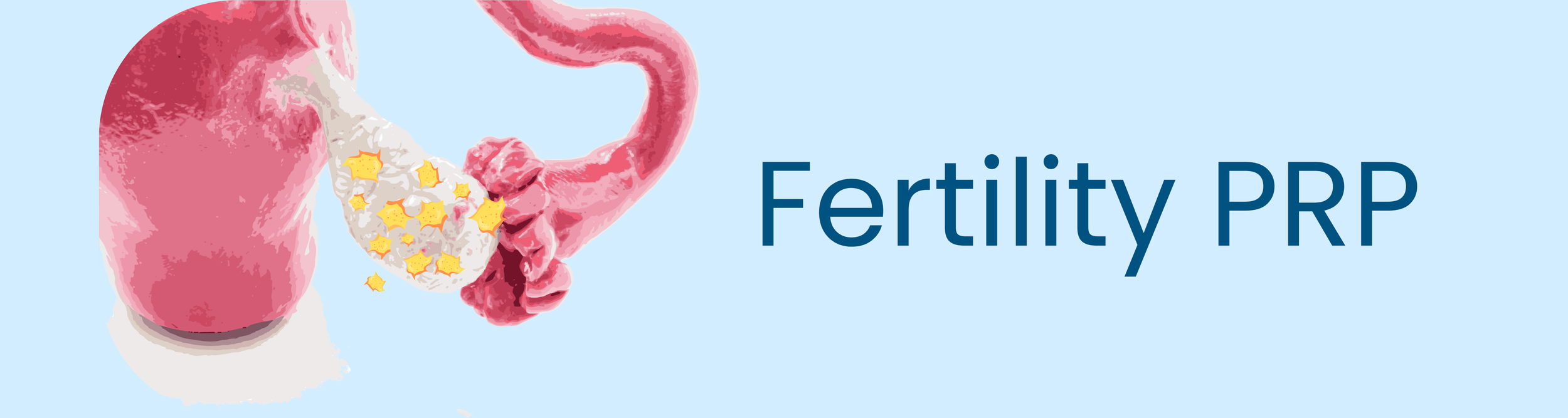
PRP’s Biological Support for Reproductive Tissues
Platelets contain growth factors and bioactive proteins that initiate and regulate tissue repair. When platelets are activated, they release these ‘chemical controller signalling molecules’ that can:
Stimulate angiogenesis and cellular proliferation
Improve endometrial thickness and receptivity
Enhance local blood flow and microvascular function
Support regeneration in the ovarian cortex and follicular microenvironment
These mechanisms underpin PRP’s use across two key fertility pathways: intra-uterine PRP and intra-ovarian PRP.
Intra-Uterine PRP (IUI-PRP)
IUI-PRP involves the infusion of a small PRP volume into the uterine cavity, usually performed as an outpatient procedure.
The procedure aims to improve the health and function of the tissues on the uterine endometrial surface prior to an embryo transfer. Additionally to increase endometrial thickness, improve receptivity, and enhance clinical pregnancy and live birth rates.
Evidence from Australian published studies and clinical research demonstrates that intra-uterine PRP can benefit patients with:
Thin or refractory endometrium (<6 mm)
Refractory endometrium
Repeated implantation failure
Post-surgical Asherman’s syndrome
Chronic endometritis
Australian clinicians using Alocuro PRP have reported significant improvements in frozen embryo transfer rates, endometrial thickness, endometrial receptivity and live births in patients previously unresponsive to conventional therapy.
Training and Clinical Support
Alocuro provides comprehensive clinician education and procedural resources for fertility PRP, covering:
Intra-uterine and intra-ovarian protocols
Device operation and preparation techniques
Patient selection and counselling frameworks
Evidence summaries and regulatory guidance
Access to these modules and support materials is reserved for verified clinicians through the Alocuro Clinician Portal.
Why Alocuro PRO-PRP for Fertility Practice
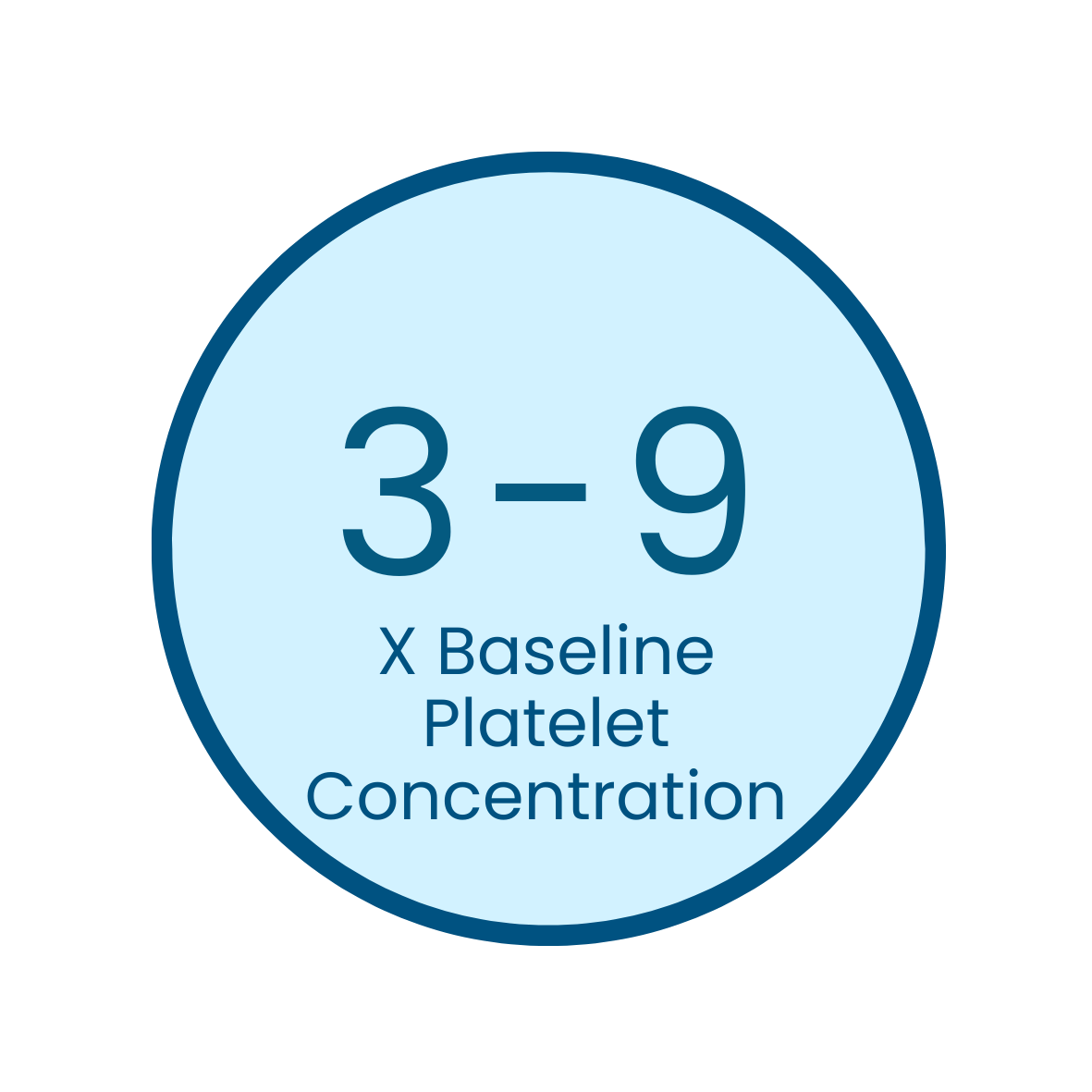
High platelet recovery and concentration (up to 9× baseline) – ensuring strong biological activity in low-plasma volume procedures
Closed, sterile, gel-free system – no chemical activators or thixotropic gels, maintaining platelet viability and patient safety
Customisable plasma yield – enabling the precise small-volume preparation required for IUI and IO fertility protocols
Proven Australian clinical use – incorporated in Australian fertility clinics and research facilities since 2021
Two large cohort, multicentre Australian DB RCT’s underway in Australia
Intra-Ovarian PRP (IO-PRP)
Intra-ovarian PRP involves injecting a high-concentration, small volume of PRP directly into each ovarian cortex under ultrasound or laparoscopic guidance.
The procedure aims to rejuvenate aging or low-functioning ovarian tissue and enhance follicular activity in women with diminished ovarian reserve (DOR), premature ovarian insufficiency (POI), poor responders to IVF stimulation; and improve oocyte quality.
Evidence from Australian published studies and clinical audits after use of Alocuro system for intra-ovarian PRP has demonstrated:
Significant increases in AMH levels and antral follicle count
Reduction in FSH levels
Improved oocyte and embryo yield in subsequent IVF cycles
Lower rate of miscarriage for pregnacies after PRP
Lower rate of anuploidy in pregnancies after PRP
Australian studies using Alocuro PRP systems have documented measurable ovarian response improvements in women aged 35–45 years with long-standing subfertility.





Interested in the Research?
Alocuro maintains a curated library of peer-reviewed articles and clinical studies supporting the use of PRP in reproductive medicine. If you would like access to our collection of scientific literature, including independent trials and outcome data aligned with our system, please contact our team directly.
Reach out via info@alocuro.com.au to request access to our collated research summaries and literature library.